Guide
How a Milan street market works
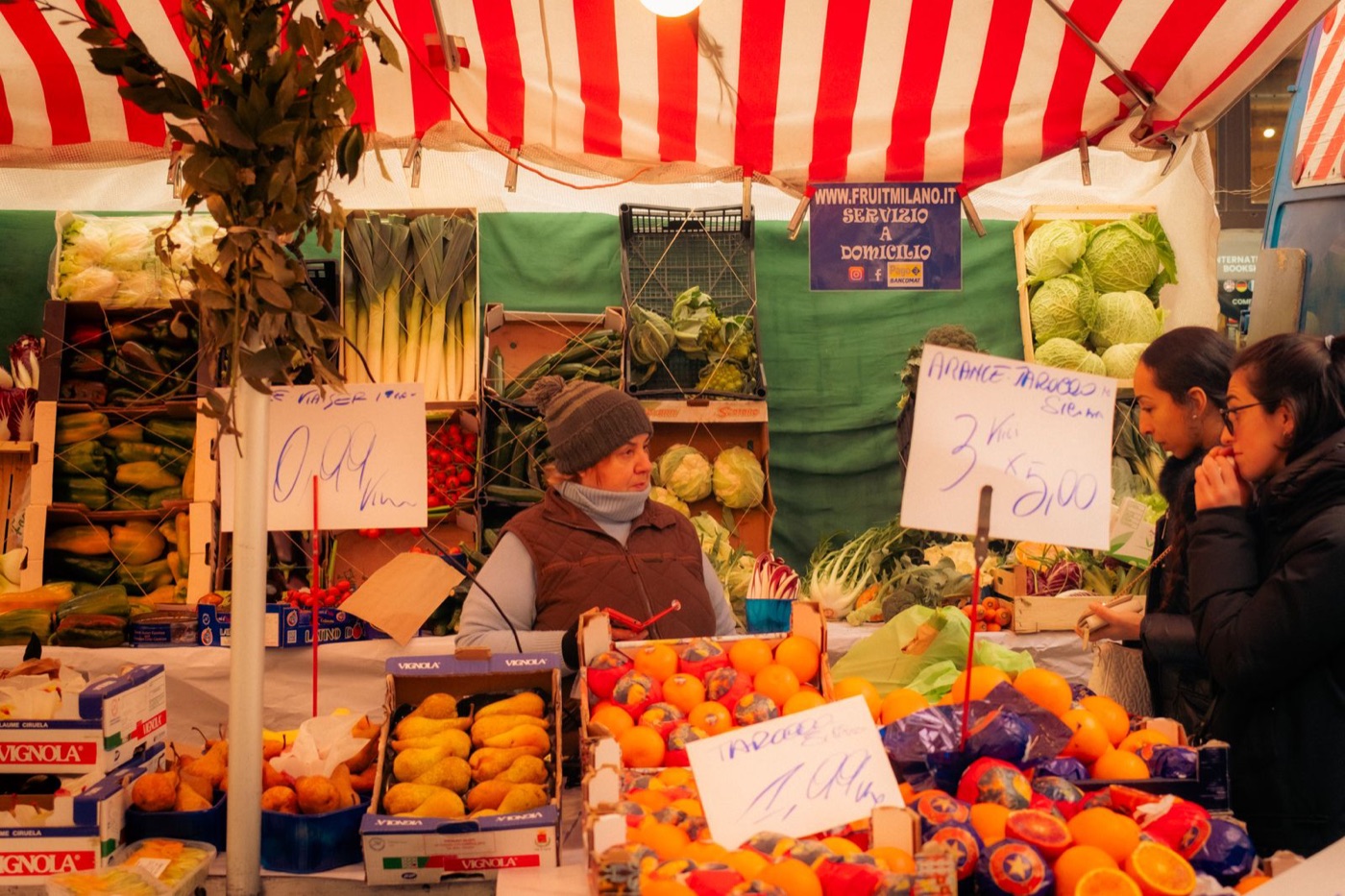
Every morning before 7:30 a market appears on a Milan street, and by early afternoon it is gone. It looks spontaneous. In fact every stall has a number, a size set to the half-metre and a place decided by a City of Milan act.
Who decides
Milan's street markets are officially called "mercati settimanali scoperti", weekly open-air markets.
They are run by the City's commercial activities department (Area Attività Commerciali e SUAP), under a city regulation on trading on public land approved in 2013 and a Lombardy regional law from 2010.
Every change goes through a "determinazione dirigenziale", an act signed by the department's director.
Traders' associations such as Confcommercio's Apeca and Anva Confesercenti give their view in a dedicated committee. Many of these acts are public, and on this site we cite them on the individual market pages.
The organico: every stall has a number
Each market has an "organico", the list of its pitches. They are numbered by row, A, B and sometimes C, and split by category: food pitches, non-food pitches, one or two for farmer-producers and a few for the "battitori", the traders who draw customers by calling out and presenting their goods aloud, often with a microphone.
Every pitch has an exact size: a frontage, usually between 4 and 7 metres, and a depth. The acts spell out how far a stall may stand on the road and how much pavement must stay clear.
On Via Valvassori Peroni, for example, one stall backing onto a bar's planters and tables has a rule of its own.
The morning spunta
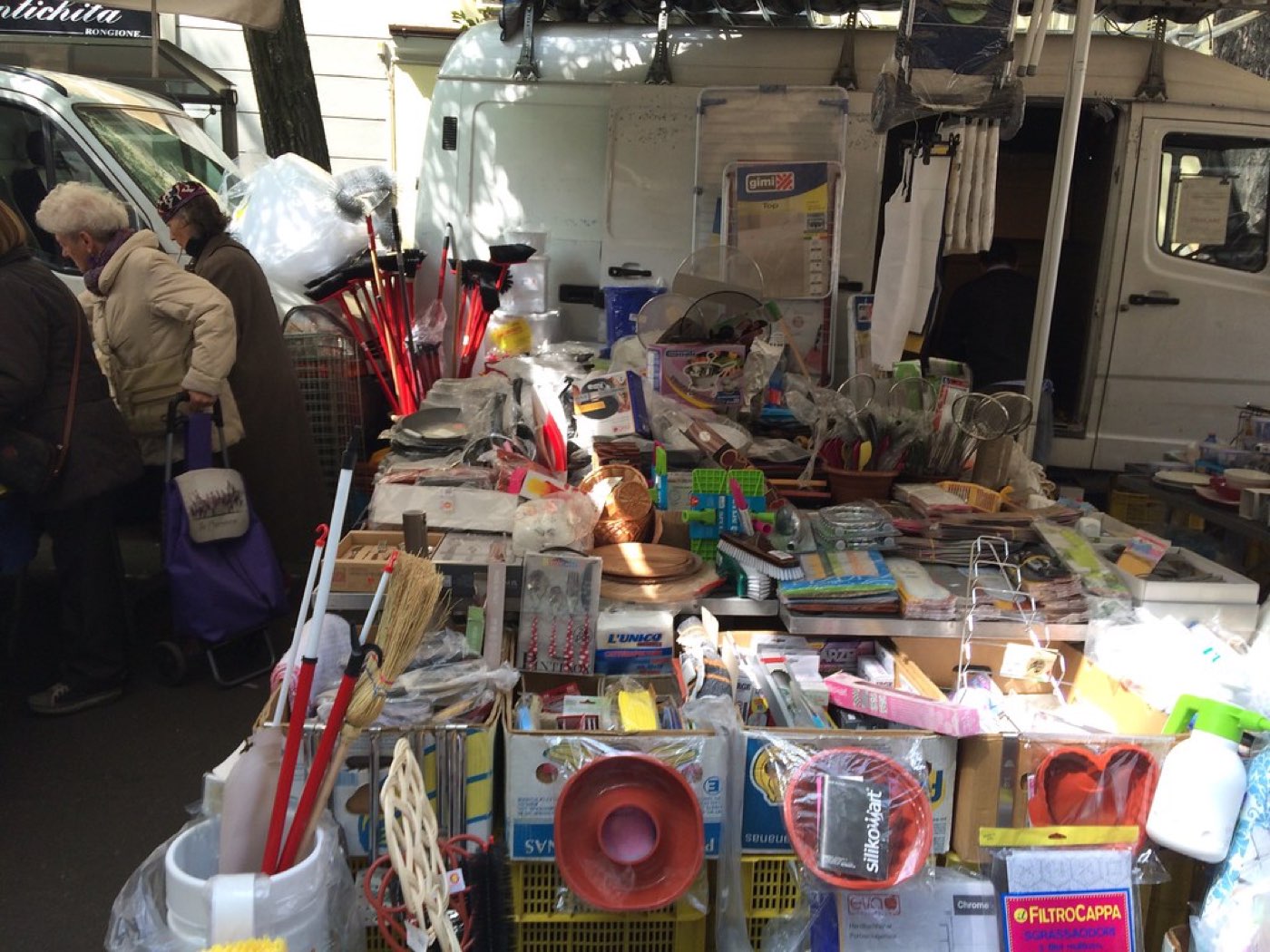
A trader with a permanent pitch is a "concessionario" and pays the City a fee for using public land. But not everyone turns up every week. Empty pitches are handed out each morning to the "spuntisti", traders on that market's waiting list.
The rules are precise: the allocation happens 60 minutes after the official start of trading, run by the City's inspectors, and the trader with the most attendances at that market goes first.
The spuntista then has 30 minutes to move in and set up. Since 2024 the City has also been trialling online payment for the spunta, with the SPID digital ID, starting at the Via Canaletto market.
The old "a ruolino" lists, dating from before 1991, still exist too. Traders on them are entitled, by seniority, to a permanent pitch when one frees up: it happened, for example, at the Gratosoglio Sud market in 2023.
The scalatura: when a market reorganises
From time to time the City carries out a "scalatura": stallholders, in order of seniority, may move onto vacant pitches, and at the end a new site plan and numbering are approved. It is the moment when a market changes shape.
In recent acts the most common reason is space. Vacant pitches are removed and the remaining ones widened, so every trader can park the van behind the stall.
On Via Valvassori Peroni 27 empty pitches went in 2025; on Via Bentivoglio food stalls grew to a 6-metre frontage.
The city changing around the market
Many reorganisations start with what happens on the street. A new cycle lane forced a redesign of the Via Tonezza market, which must also leave room for ambulances and fire engines because of the nearby schools.
On Via Tabacchi some pitches were removed to clear the pedestrian crossings outside two schools.
Sometimes a detail is enough. On Via dei Guarneri a pitch was removed because a lamp post made it impossible to set up a stall. On Via Oglio bollards protecting a wheelchair ramp moved two stalls.
Markets that grow, markets that close
Not every market is doing well. In a 2025 act the City itself writes that the Via Luca Ghini market had lost many stallholders and, with them, its appeal: to save it, the City compacted it into a single row.
In September 2024 the Via Benaco market closed altogether, and its traders moved to other Friday markets.
Every year the City also revokes the concessions of traders who have gone over the permitted number of absences, and strikes no-shows off the spunta lists.
Concessions that were due to expire at the end of 2020, already extended several times, are now valid until 31 December 2026.
Other markets have lasted almost a century. The Lombardy Region recognises as "markets of historic value" those that have run without interruption for at least fifty years: in Milan the oldest is Porta Nuova, since 1926. You can find them all on the historic markets page.
What it means when you shop
- Stalls open around 7:30, but the spunta ends later: by about 9 the market is complete.
- A trader's pitch is fixed, so your favourite greengrocer will be in the same spot every week.
- Fish and cheese stalls and the refrigerated vans are almost always in the food row, apart from clothing and homeware.
- If a market looks smaller than a few years ago, it has probably been reorganised: its page on this site often cites the act that explains why.
Frequently asked questions
What is the spunta at a market?
It is the daily allocation of empty pitches to traders on the waiting list, the "spuntisti". In Milan it happens 60 minutes after trading starts, and the trader with the most attendances at that market goes first.
Who are the market's battitori?
They are traders who draw customers by calling out and presenting their goods aloud, often with a microphone. At Milan's markets they have reserved pitches, counted separately in the organico.
Why have some Milan markets got smaller?
The City often removes pitches that have stood empty to widen the remaining ones, clear pavements and crossings, or adapt to works such as cycle lanes. Every change is decided by a public act.